
What Is Gluteal Tendinopathy?
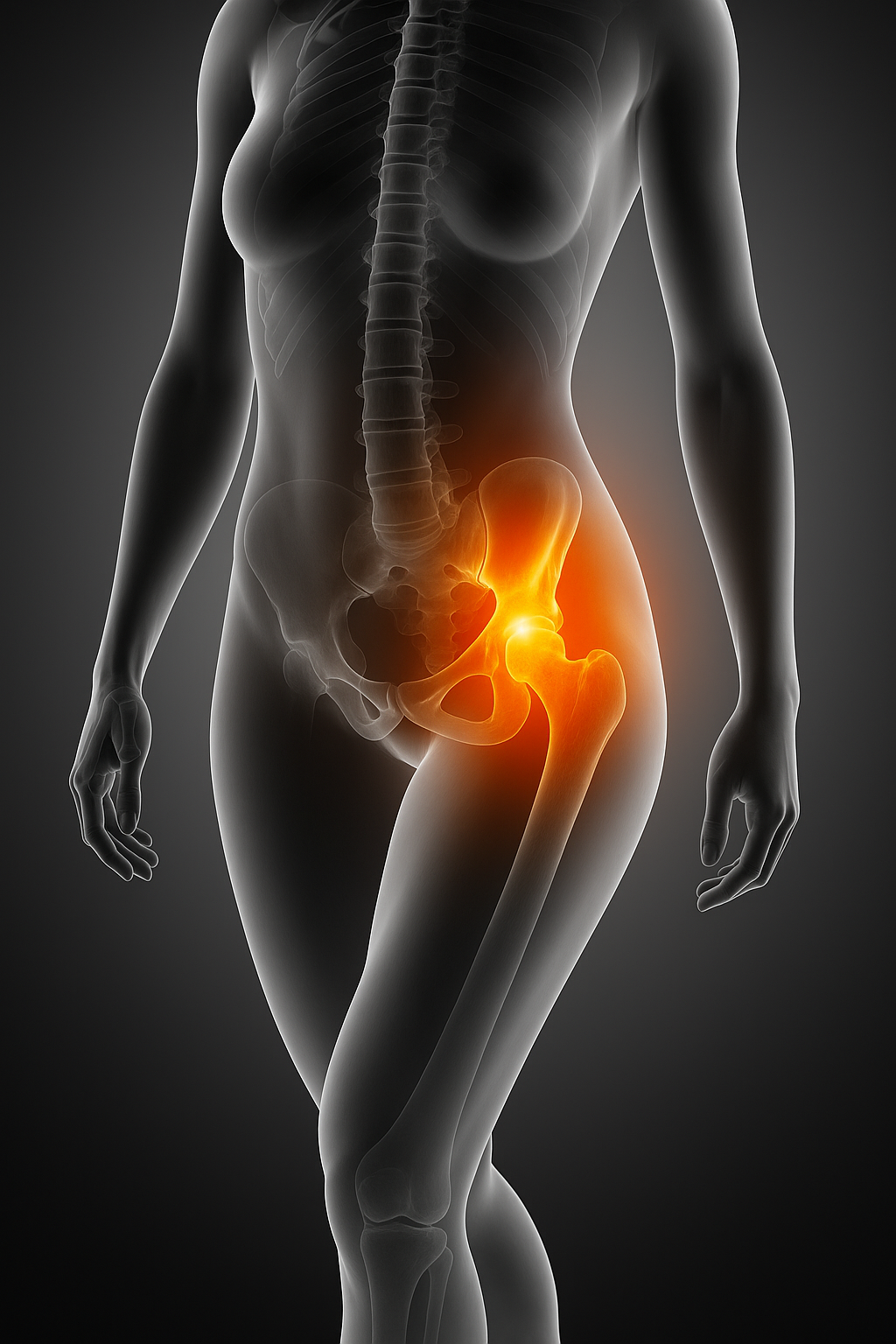
If you’ve been dealing with pain on the outside of your hip, especially when walking, climbing stairs, or lying on your side, you might have something called gluteal tendinopathy. This condition is very common, especially in women over 40, and it can make everyday activities uncomfortable.
Old Thinking: “Bursitis” and Inflammation
For many years, doctors thought this kind of hip pain was caused by swelling and inflammation in a small fluid-filled sac near your hip bone (called the bursa). That’s why you might have heard the term “bursitis.” Because of this, treatments often focused on reducing inflammation—using things like anti-inflammatory medications or cortisone (steroid) injections.
New Research: It’s Not About Inflammation
Recent research has shown that gluteal tendinopathy isn’t actually caused by inflammation. Instead, it’s more about wear and tear or overuse of the tendons (the strong bands that connect your muscles to your bones) in your hip. Here’s what scientists have found:
- No real swelling: When doctors look at these tendons under a microscope, they don’t see the signs of inflammation you’d expect.
- Changes in the tendon: Instead, the tendon looks a bit worn out, with some fraying and thickening, like an old rope.
- Caused by stress: This usually happens because the tendon is being stressed too much, often from repeated movements or poor posture.
What Does This Mean for Treatment?
Since gluteal tendinopathy isn’t really an “inflammatory” problem, treatments that just focus on reducing inflammation (like pills or injections) don’t fix the real issue. They might help with pain for a little while, but they don’t help the tendon get stronger or heal properly.
What Actually Works?
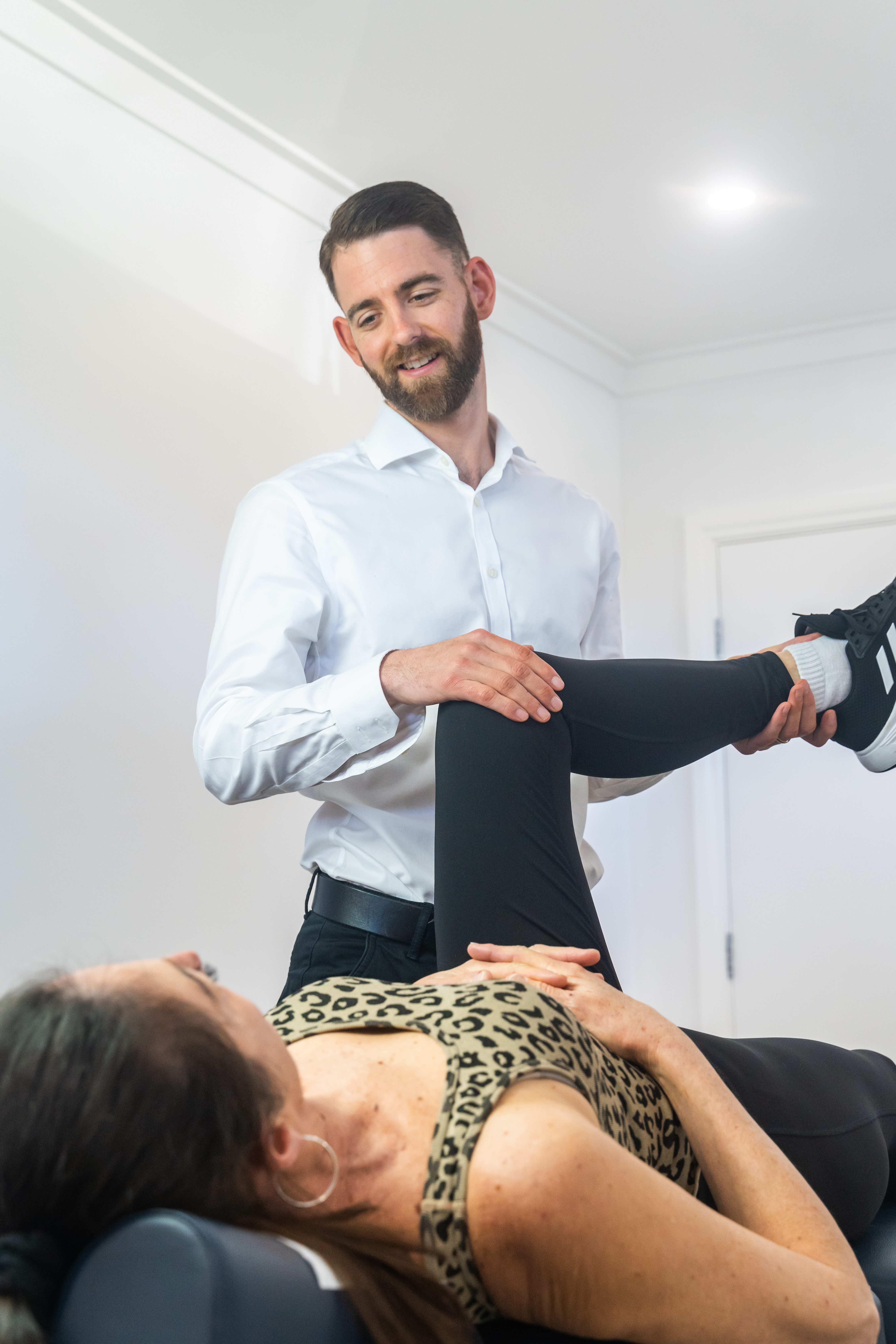
The best way to treat gluteal tendinopathy is to help your tendon get stronger and healthier. Here’s how:
Education: Learning which movements or positions make your pain worse (like crossing your legs or standing with your hip pushed out) and how to avoid them.
Exercise: Doing specific exercises to gently strengthen the muscles around your hip. A chiropractor can show you the best ones for you. (See below for the downloadable exercise PDFs).
Passive treatments: Passive treatment such as dry needling and taping can provide some symptom relief as a part of a holistic treatment strategy.
Patience: Tendons heal slowly, so it can take a few months to feel a real difference—but sticking with your program is worth it!
Other treatments, like shockwave therapy, might help if exercise alone isn’t enough, but surgery is almost never needed.
What You Need To Know
If you have pain on the outside of your hip, it’s probably not just “inflammation” or “bursitis.” It’s more likely a problem with the tendon that needs time, the right exercises, and some changes to how you move. Anti-inflammatory medications or injections might help with pain for a short time, but they won’t fix the real problem.
Working with your chiropractor on a strengthening program is the best way to get back to doing what you love—pain free!
Kino Chiropractic
📍 182 Spearwood Ave, Spearwood, WA 6163
📞 0493 555 665
🌐 www.kinochiropractic.com.au
🔗 Book Here
To support your recovery, we’ve included a home advice guide and four downloadable exercise guides at the end of this blog. These evidence-based exercises are designed to help strengthen and stabilise the hip, improve function, and reduce pain related to gluteal tendinopathy.
Be sure to consult with your healthcare provider before starting any new exercise program. Click the links below:
